

The Bible

The word of God is life and health. Plant it in your heart and live by it. (Proverbs 4:20-23)
Lesson 1: Understanding the Word of God
What Is the Bible, and Who Wrote It?
Main Scripture: 2 Timothy 3:16–17 (KJV)
Memory Verse: "All scripture is given by inspiration of God, and is profitable for doctrine, for reproof, for correction, for instruction in righteousness, that the man of God may be complete, thoroughly equipped for every good work."
2 Timothy 3:16-17 (KJV)
1. Introduction: What Is the Bible?
The Bible is the Holy Word of God, written by human authors under the inspiration of the Holy Spirit. It reveals who God is, His love for humanity, His plan of salvation through Jesus Christ, and how believers should live according to His Word.
The word Bible comes from the Greek word biblia, meaning "books."
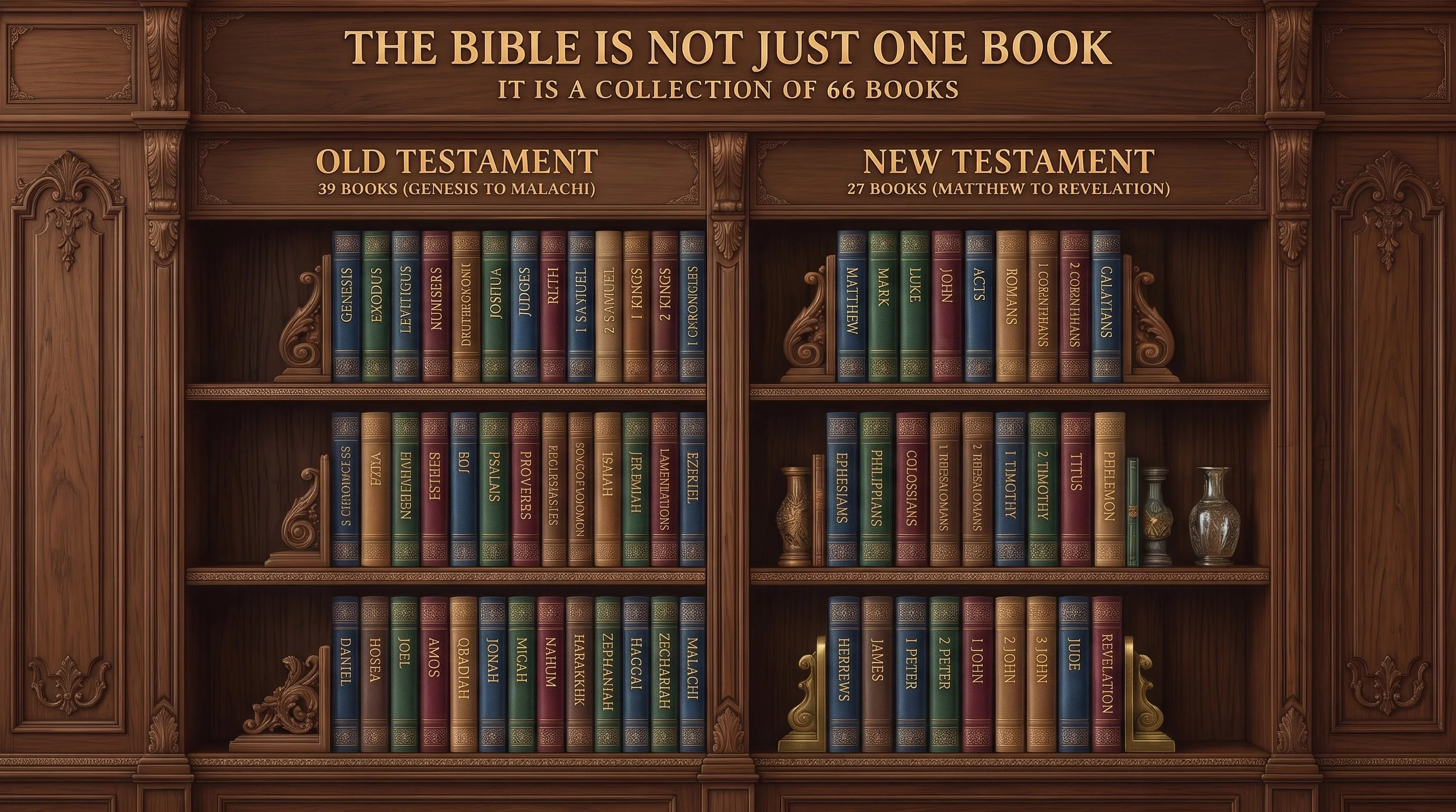
The Bible is not just one book. It is a collection of 66 books in the Protestant Christian Bible, divided into two main sections:
* Old Testament: 39 books, beginning with Genesis and ending with Malachi.
* New Testament: 27 books, beginning with Matthew and ending with Revelation.
Key Truth: Although the Bible contains many books written by different people, its central message reveals God's redemptive plan through Jesus Christ.
2. Who Wrote the Bible?
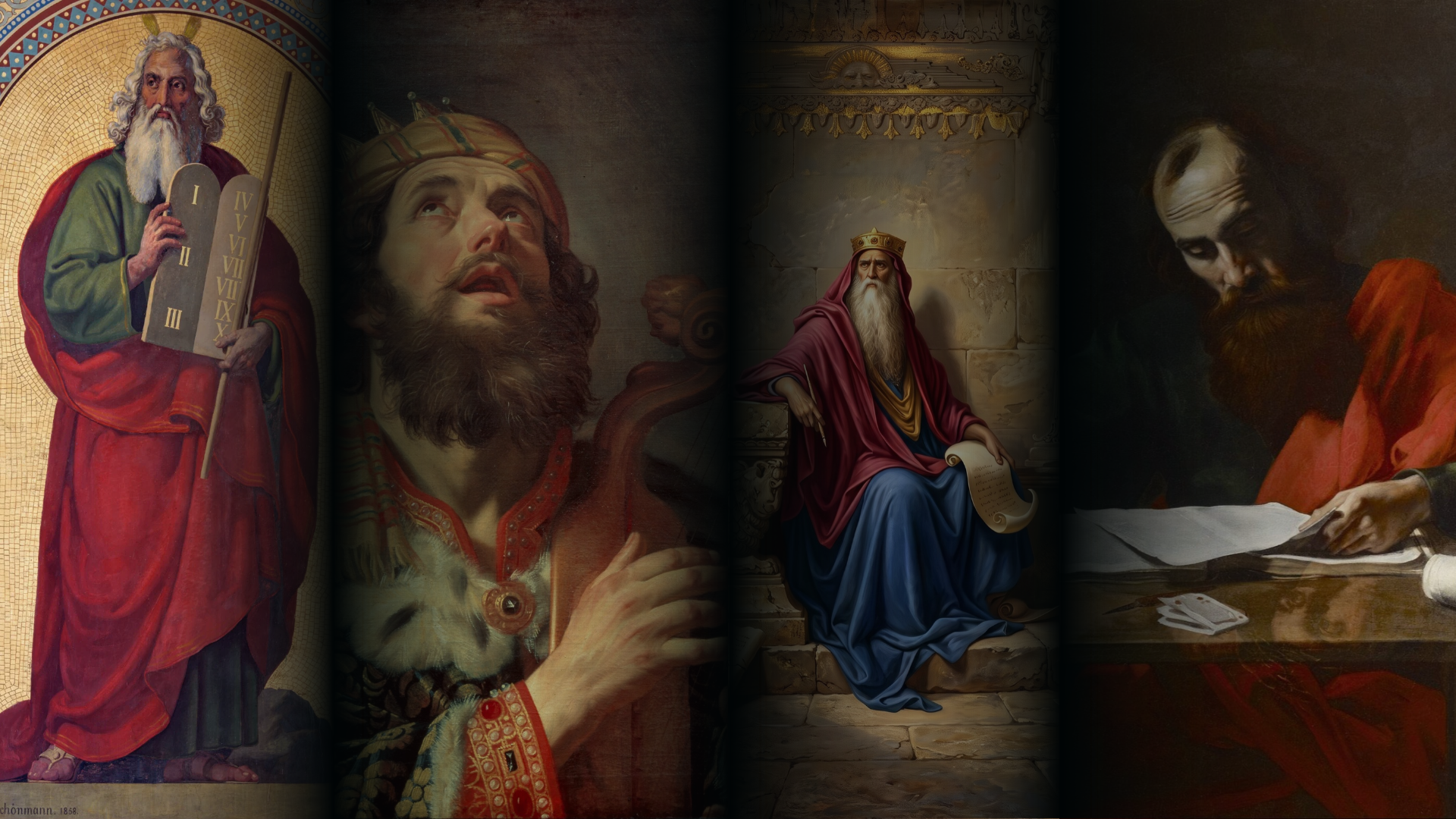
The Bible was written by approximately 40 human authors over a period of roughly 1,500 years.
These writers came from different backgrounds, including kings, prophets, shepherds, fishermen, priests, and apostles. Some examples include:
| Biblical writer | Books associated with them
| Moses | Genesis, Exodus, Leviticus, Numbers, Deuteronomy (traditional attribution) |
| David | Many of the Psalms |
| Solomon | Proverbs, Ecclesiastes, Song of Solomon (traditional attribution) |
| Isaiah | isaiah |
| Matthew | Gospel of Matthew (traditional attribution) |
| Luke | Gospel of Luke and Acts |
| Paul | Romans, Galatians, Ephesians, and other letters |
| John | Gospel of John, three letters of John, and Revelation (traditional attribution) |
The authorship of some biblical books is debated, but Christians believe that God worked through human writers to communicate His message.
How did God inspire the writers?
2 Peter 1:21 (KJV): "For the prophecy came not in old time by the will of man: but holy men of God spake as they were moved by the Holy Ghost."
This teaches that biblical prophecy did not originate merely from human imagination. The Holy Spirit guided God's messengers.
2 Timothy 3:16 teaches that Scripture is God-breathed, meaning it comes from God and carries divine authority.
Key Truth: God is the divine source of Scripture, and human authors were the instruments through whom His Word was written.
3. Why Is It Important to Study the Bible?
Studying the Bible is essential for every Christian because it helps us grow in our relationship with God and understand His will.
A. The Bible reveals Jesus Christ and God's love
John 5:39 (KJV): "Search the scriptures; for in them ye think ye have eternal life: and they are they which testify of me."
The Scriptures point us to Jesus Christ, through whom God reveals His love, grace, and salvation.
B. The Bible strengthens our faith
Romans 10:17 (KJV): "So then faith cometh by hearing, and hearing by the word of God."
The more we hear and understand God's Word, the more our faith can grow.
C. The Bible guides our daily lives
Psalm 119:105 (KJV): "Thy word is a lamp unto my feet, and a light unto my path."
Just as a lamp helps someone walk safely in darkness, God's Word gives us wisdom and direction.
D. The Bible helps us grow spiritually
1 Peter 2:2 (KJV): "As newborn babes, desire the sincere milk of the word, that ye may grow thereby."
Just as our physical bodies need food to grow, our spiritual lives need nourishment from God's Word.
E. The Bible helps us recognize truth
Acts 17:11 describes the Bereans examining the Scriptures daily to determine whether the teachings they heard were true.
We should not believe everything simply because someone teaches it. We must examine teachings in light of Scripture.
Key Truth: We study the Bible not merely to gain intellectual knowledge, but to spiritually know God, grow in faith, understand His grace, and put His Word into practice (Walk in the truth of His word)

4. How Should We Study the Bible?
Encourage students to develop these five habits:
Pray: Ask the Holy Spirit to help you understand God's Word (John 16:13).
Read: Spend time reading the Bible regularly (1 Timothy 4:13).
Understand: Consider the context and meaning of the passage (Nehemiah 8:8).
Meditate: Think carefully about what you have read (Joshua 1:8).
Apply: Practice what the Bible teaches (James 1:22).
Important Reminder: We do not study the Bible to earn God's love or salvation. We study because God loves us, and His Word helps us understand the grace we have been given by God through Jesus Christ. Studying the Word of God will help us to walk in the measure of faith that he has given us. (Romans 12:3; Romans 10:17)

Discipleship Practical Questions & Answers

-
The Bible is the inspired Word of God, written through human authors to reveal God's truth and His plan of salvation.
-
66 books in the Protestant Bible: 39 in the Old Testament and 27 in the New Testament.
-
Approximately 40 human authors wrote the biblical books over many centuries under God's inspiration, according to Christian belief.
-
The Holy Spirit of God. See 2 Peter 1:21.
-
It means Scripture has its ultimate source in God. See 2 Timothy 3:16.
-
Jesus Christ, the Son of God and Savior of the world. See John 5:39.
-
To know God, understand His love and grace, strengthen their faith, recognize truth, and grow spiritually.
-
By believing God's Word, following its teachings, trusting His promises, and living in love and faith.

Conclusion and Closing Prayer:
The Bible is more than a collection of ancient writings. For Christians, it is God's inspired Word, revealing His character, His promises, His love, and His salvation through Jesus Christ.
Final Message to Students: The more we study God's Word, the better we understand who He is, how much He loves us, and who we are in Jesus Christ.
Closing Prayer: Heavenly Father, thank You for giving us Your Holy Word. Thank You for inspiring the writers of the Bible through Your Holy Spirit. Help us understand Your truth, grow in faith, recognize Your unconditional love, and live according to Your grace. In Jesus' name, Amen